The Story of Cannabis Prisoner, Yasquasia Delcarmen
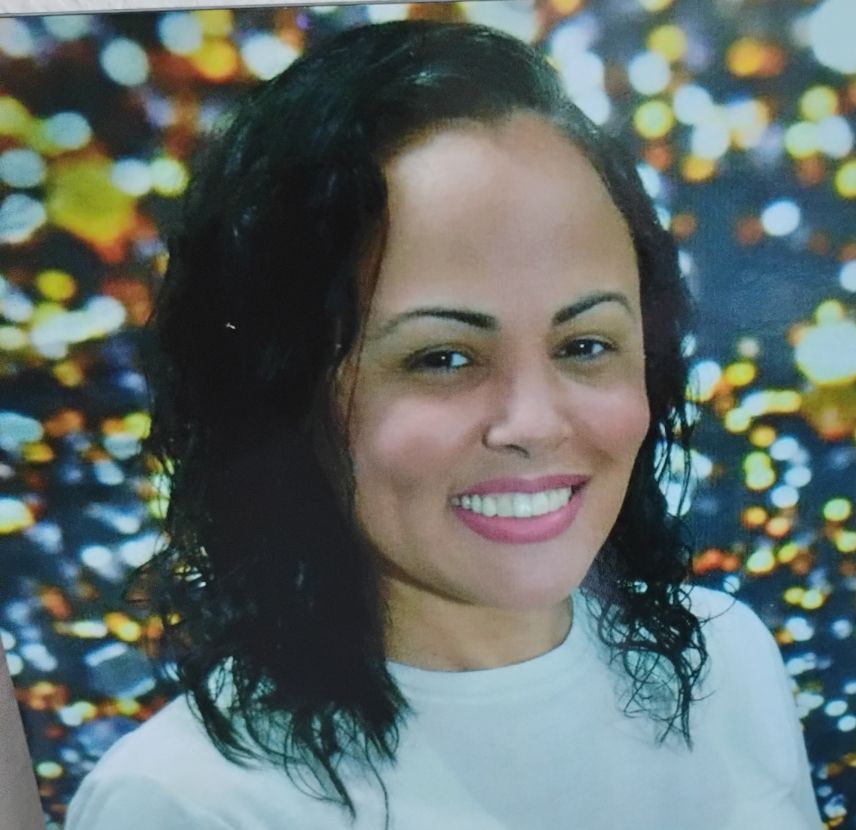
Yasquasia Delcarmen is 29 years old. She is a mother, a musician, and an aspiring screenwriter. She was building a life — pursuing a creative career, studying communications and journalism, and raising her infant son — when a federal sentence of 8 years, followed by 3 years of probation, brought everything to a halt. She has now served 16 months. No one was hurt. No violence was involved. Her charges were for cannabis — a plant medicine that brings quality of life to millions of people — now legal or decriminalized across most of the country, yet still capable of costing a young woman nearly a decade of her life and separating a mother from her child.
Yasquasia is telling her story because she hopes it will make a difference. She hopes it will matter soon. This is her story, in her own words.
A Creative Life, Cut Short
Before her arrest, Yasquasia was in motion. She had been pursuing a career as a music artist for years — real opportunities, real momentum — and studying communications and journalism because writing had always been a passion. She describes herself as someone who had talent and possibility right in front of her, but who hadn't yet slowed down enough to fully embrace it.
"I had a lot of opportunities to really make something of that. I feel like I just didn't slow down long enough to embrace the talents I had in front of me."
She has not let go of those dreams. From inside, she has decided to pick up her writing again and pursue screenwriting. The artist is still very much alive. She is just working under very different circumstances.
A Crashing Wave
When the sentence came down, Yasquasia nearly collapsed.
"Receiving a 96-month sentence hit me like a crashing wave. It was a lot. It devastated my family. A moment I'll never forget. I almost passed out, to be honest."
She was remanded into custody the same day. No goodbye on her own terms. No transition. Just a courtroom and then a cell, and a son who was 11 months old waiting on the other side of a door she could no longer open.
Sixteen months in, the weight of that sentence hasn't disappeared. But Yasquasia has found a way to carry it. She has realized how important it is to stay uplifted and productive, and she takes it one day at a time. Her perspective has shifted — not because the sentence feels any more just, but because she has chosen, deliberately, not to be hollowed out by it.
A Mother Behind Bars
If there is one thread that runs through everything Yasquasia shares, it is her son. He was 11 months old when she was taken into custody. He is now two. In the months between, she has missed his first steps, his first Christmas, and his first birthday.
"It's tough. But it's important to stay uplifted — so I focus on the positives. He is well taken care of. I have an amazing support system. He's happy, healthy, and safe, and knowing that puts my heart at so much ease."
She is clear about accountability. She does not excuse the choices that led her here. She has had to forgive herself — genuinely forgive herself — and make the daily decision to get up and become the best version of herself she can be, so that when she comes home, she can give her son everything he needs and more.
"My son definitely means the world to me. I messed up putting myself in this situation to be away from him, but I've had to forgive myself and get up every day to work on being the best version of myself I can be so I can come home to him."
Her son is growing up without her there. She is getting older without being able to watch him grow. That is the sentence within the sentence.
Just Being Here
When asked about her greatest daily challenges, Yasquasia's answer is simple and total: just being here. Being away from home, away from comfort, away from family, away from her own life.
What keeps her going is faith and purpose. She describes keeping close to God and locking in on things that contribute to her growth as the fuel that keeps her hopeful. In a system designed to strip agency, she is carving out space for growth every single day.
What Yasquasia Wants You to Know
If Yasquasia could speak directly to lawmakers, judges, prosecutors, and advocates, she would not ask for pity. She would ask them to think harder about what punishment is actually supposed to accomplish.
"It didn't take giving me 96 months for me to understand where I went wrong. Sitting here for years for my first legal mistake is not beneficial to me or my child."
She takes full accountability. But she challenges the assumption that years of incarceration are necessary — or effective — to change someone's behavior. What people in the system sometimes need most, she says, is something that is in short supply: empathy.
She also speaks to the mechanics of the federal system itself — the way cooperation with prosecutors can dramatically reduce a sentence, while refusing to cooperate means the full weight of the law comes down regardless of the underlying conduct. She finds that dynamic troubling and hard to reconcile with any straightforward idea of justice.
"If my crime is bad and you want to punish me for it — unless I give you what you want — is it really that bad? A lot of stuff just doesn't make sense."
And then there is the disparity she lives alongside every day: marijuana charges, in a federal facility, serving as much time or more than people convicted of trafficking cocaine or methamphetamine — and when she does get out, three more years of probation will follow. Cannabis is now legal or decriminalized in the majority of U.S. states. The substance at the center of Yasquasia's case is sold openly in dispensaries across the country. And yet, in the federal system, she is doing eight years for it, with years of supervised release still ahead.
"I can only hope and pray that things change — and soon."
A System Out of Step
Yasquasia's case reflects a broader reality: federal cannabis sentencing has not kept pace with the dramatic shift in how this country views and treats marijuana. In one state, a person can walk into a store and legally purchase the same substance that cost Yasquasia eight years of her life and her son's earliest years without his mother. That is not justice. It is geography.
Yasquasia did not commit a violent crime. She was a young mother and creative woman who made a mistake in circumstances she was still navigating. She is now 16 months into an 8-year sentence, with 3 years of probation to follow, watching her son grow up through a distance no family should have to endure.
The question is not whether Yasquasia broke a law. The question is whether this punishment fits any honest definition of justice.
We believe it does not.
"I hope what I'm going through, and what others like me are going through, stops happening."
Last Prisoner Project is working to match Yasquasia with a pro bono attorney to file her clemency petition. She is also enrolled in our letter-writing program — because no one fighting this hard should feel forgotten.
Call To Action
Please consider sending Yasquasia a letter of solidarity and to remind her she hasn’t been forgotten. You can write to her directly or send your letter through the Last Prisoner Project website, and we will print and mail it on your behalf.
Write to her directly:
Yasquasia Delcarmen # 09823-511
FPC Alderson
GLEN RAY RD. BOX A
ALDERSON, WV
24910
Or send a letter through our website: https://www.lastprisonerproject.org/letter-writing
Let her know she has not been forgotten.
Yasquasia's story is one of thousands. The Last Prisoner Project's pro bono attorney matching, clemency advocacy, and letter writing programs exist because of donors like you. These programs are the difference between someone like Yasquasia having a fighting chance at freedom — and being left behind. If her story moved you, please consider making a donation to Last Prisoner Project today at lastprisonerproject.org/individuals. Your support keeps these programs alive and ensures that no cannabis prisoner has to fight alone.