By Mary Bailey
•
May 4, 2026
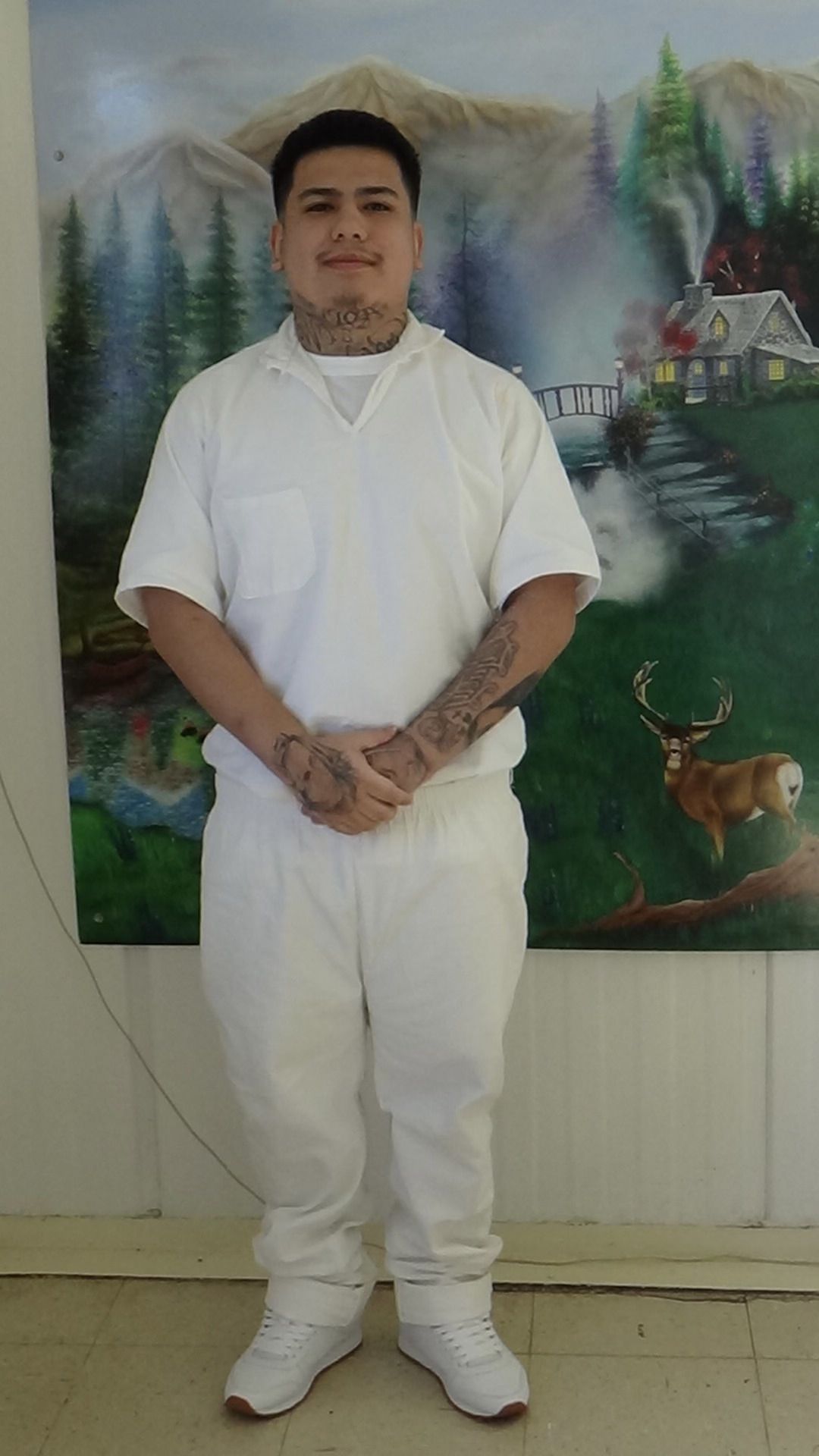
75 Years for Cannabis: The Story of Julian Andrade Julian Andrade is 22 years old. He was born and raised in Fort Worth, Texas, and he has now spent three of those years inside a prison cell, serving a 75-year sentence for a nonviolent cannabis charge. He also received concurrent terms of 50 and 10 years. No one was hurt. No violence was involved. Just a young man from Fort Worth, still maturing, whose life was upended by a system that chose punishment over proportion. Julian is a father. His son was born while he was incarcerated, a milestone he could not share, a childhood he cannot witness in person. His aunt stands firmly by his side, advocating for him and helping make sure his story gets told. Together, they are determined that what happened to Julian will not stay silent. This is his story, in his own words. A Fast Life and Bigger Dreams Before his arrest, Julian was someone who poured his time into the people he loved. "Before incarceration, I would spend any and all time that I could with my family and loved ones," he says. Underneath that, he carried real ambition. His goals were not small. He wanted to open businesses and bring others along with him, to create something and share it. "The path I thought I was on at 19 was a fast life that I did not know how to get out of." It's a sentence worth sitting with. A teenager who wanted to build something, who wanted to lift people up, caught in circumstances he didn't yet have the tools to escape. That kind of nuance rarely makes it into a courtroom. Shock, Confusion, and a Quiet Resolve When the verdict came down, Julian didn't rage. He went quiet. "I was in shock, loss of words, hurt, but mainly confused. I didn't hurt anyone. It was only cannabis." The confusion is understandable. Cannabis is now legal or decriminalized in the majority of U.S. states. The substance at the center of Julian's case is sold openly in dispensaries across the country. And yet, in Texas, a 19-year-old received a sentence longer than most people's entire lives. Julian has refused to let that sentence hollow him out. Since coming to prison, he says he has grown closer to God and encourages others to do the same. He uses the time to mature and to become a better man, not just for the people waiting for him on the outside, but for himself. "Since receiving my time, my perspective has changed completely. I now use this time to mature, grow, and become a better man for my family, friends, and my release, but most importantly myself." A Father Behind Bars Julian's son came into the world while Julian was incarcerated. There was no hospital room, no first cry he could hear, no hand to hold. There is only the wondering. "I miss my son daily. It hurts me knowing I can't help or even watch him grow up. I'm always wondering what he is doing, what kind of kid he is, and what he likes. Hoping one day I can do the same things with him that my grandpa did with me." That last line carries everything. A grandfather's love, passed down through memory, now at risk of being cut off by a sentence for a plant. Julian's son is growing up without his father. Julian is getting older without being able to watch his child grow. "My child means the world to me." The Daily Weight Ask Julian what his hardest challenges are, and his answers are not about prison conditions or legal policy in the abstract. They are deeply personal. "The biggest challenge I face daily is missing home. Hoping I'm free before my grandpa or mom passes. Being able to still be in my child's younger years. And enjoying life in the free world while I'm still young." He is racing against time on every front, against grief, against his son's fleeting childhood, against his own youth passing inside a cell. And yet something keeps him going. "The world is changing. But mainly dreaming about the things I will do and the life I want to live upon my release." He means it literally, too. Julian says he looks forward to pumping gas, walking through a grocery store, and one day helping others who find themselves in situations like his. The smallest freedoms, the ones most people never think about, are the ones he dreams about most. What Julian Wants You to Know If Julian could speak to lawmakers, advocates, and everyday people, he would not ask for sympathy. He would ask for honesty. "I know what I did. I broke the law. But I don't think people like myself or others should be serving long sentences, especially for something nonviolent or accepted in more than half of America and other parts of the world. I was still a kid when I came to prison. I was still growing up and maturing, and still am today. I didn't hurt anyone, never did, and never will. I don't deserve all this time. I understand I and others have broken the law, but we should not be doing more than 5 years for a plant." His aunt echoes that call. She has stood by Julian since the beginning, advocating loudly and consistently, refusing to let the system's silence become the final word on her nephew's life. Her support is a reminder that behind every incarcerated person is a family fighting to bring them home. Julian hopes that one day he will be able to share his testimony from the outside, to stand in front of others who are struggling and tell them there is a way through. That vision is part of what keeps him moving forward. The Door to Clemency Is Almost Sealed Shut Julian would like to pursue a sentence commutation, but Texas makes that road extraordinarily difficult. And even the path to clemency is nearly out of reach. Texas requires a written recommendation from a majority of the current trial officials, the present prosecuting attorney, the judge, and the sheriff or chief of police of the arresting agency from the county and court of offense, conviction, and release, along with full compliance with the board rules governing commutation of sentence, just to be eligible to apply. The very system that locked Julian up is the same one he'd need permission from to get out. His aunt has stood by him every step of the way, fighting to make sure his story is heard. Now we're helping make sure it is. A System Out of Step Julian's case is a stark illustration of how dramatically cannabis sentencing diverges across state lines. In one state, a person can legally purchase the same substance that earned Julian 75 years in Texas. That disparity is not justice. It is geography. Julian did not commit a violent crime. He was a teenager from Fort Worth who made choices in a life he didn't yet know how to navigate. He is now 22, a man and a father, spending what should be some of the freest years of his life behind bars. The question is not whether Julian broke a law. The question is whether this punishment fits any honest definition of justice. We believe it does not. "I hope what happened to me and others like me stops happening." So do we, Julian. Julian Andrade is a constituent represented by the Last Prisoner Project. If his story moved you, please take action. Contact your representatives, support cannabis sentencing reform, and consider donating to Last Prisoner Project so that we can continue to fight for the freedom of cannabis prisoners like Julian.