A Mother Still Behind Bars for Cannabis: The Story of Brandy Fisher
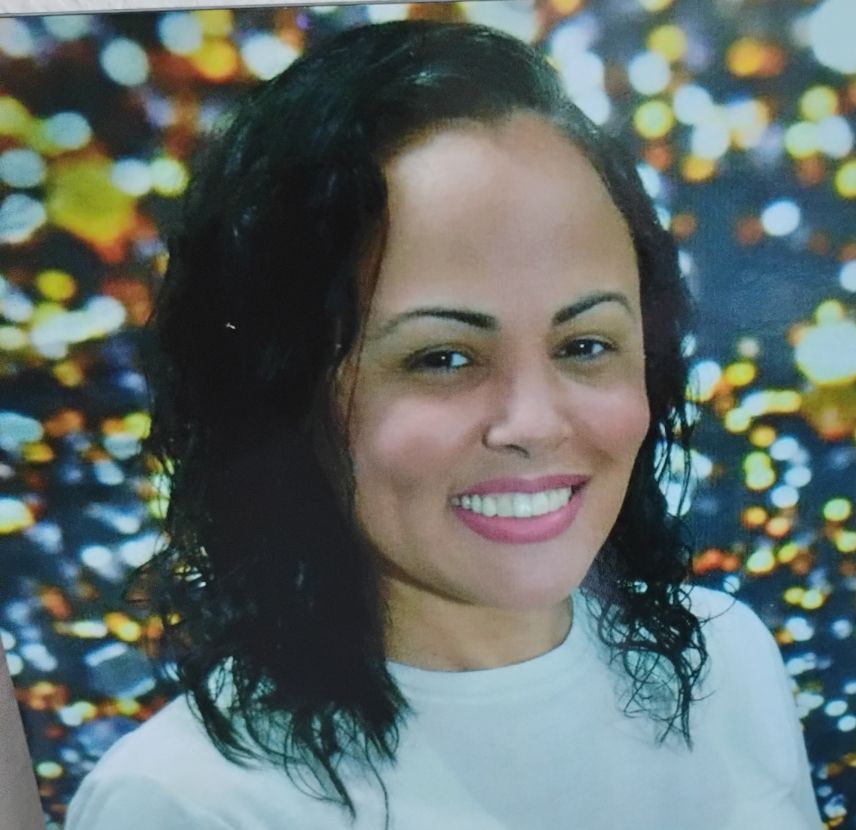
A Mother Still Behind Bars for Cannabis: The Story of Brandy Fisher
While legalization spreads across America, women like Brandy Fisher remain forgotten inside federal prison — serving out decade-long sentences for marijuana as the world outside changes without them.
How It Began
Brandy Fisher never imagined she would spend a decade in federal prison. Charged with distribution of 1,000 kilograms of marijuana, she became a target when family members and close friends she trusted were already working as federal informants — six of them. When agents approached her first and asked if she wanted to talk, she asked for a lawyer. That decision, the right one under any standard, did not protect her from what came next.
“The 6 informants who were close family and whom I thought were best friends had turned federal agents,” Brandy recalls. She took a plea deal — ten years under Rule 11(c)(1)(C), a binding agreement that locks the sentence in place regardless of changes in law. And the law has changed dramatically.
“Sitting back and watching the world change daily is amazing — how now the world can see that marijuana can be used to cure people of sicknesses.”
— Brandy Fisher
As state after state has legalized or decriminalized cannabis, and as federal reform conversations have grown louder, Brandy remains locked in. Her binding plea means no retroactive relief applies to her. She watches from inside, and she waits.
While Brandy serves her sentence, her family carries the weight too. Her father has received a family support grant from the Last Prisoner Project to help offset the costs of caring for Brandy’s six-year-old son. And when Brandy is eventually released, she will be eligible for a Last Prisoner Project reentry grant — funding designed to help cannabis prisoners like her rebuild their lives from the ground up.
Life at FCI Waseca
Brandy first survived FCI Dublin — the California federal prison that became the subject of a federal investigation into widespread staff sexual abuse. She was transferred to FCI Waseca in Minnesota, which she describes as one of the worst women’s federal prisons in the country. The conditions she describes are a portrait of institutional neglect.
The commissary is shut down for weeks at a time. The kitchen served her food with a live beetle on the tray — she no longer eats there. Women are denied body oils because, as Brandy recounts, the staff claim it draws unwanted attention from male officers. A captain reportedly declared that commissary soda was being removed because women there were overweight. Cleaning supplies — bleach, Ajax — are withheld, yet women are asked to clean bathrooms that handle used sanitary products, sometimes without gloves.
An outbreak of H. pylori, a bacterial infection that can lead to stomach cancer if untreated, has affected a significant portion of the population. “They are trying to keep it on the low,” Brandy says.
“We are run around by majority men officers — there are unpleasant comments made about women and their sexual body parts, comments about the way our clothes fit.”
— Brandy Fisher
The harassment, she says, is daily and institutional. The message from staff is clear: the needs and dignity of the women housed there are not a priority.
Safety, Mental Health, and a Six-Year-Old Boy
Brandy shares her room with three individuals convicted of serious child sex offenses carrying sentences of 25 or more years, as well as others convicted of drug offenses and one convicted of murder. The federal system houses people across these vastly different profiles together, and any refusal to comply with the arrangement risks placement in the Special Housing Unit — solitary confinement.
For Brandy, the psychological weight is not abstract. She has a six-year-old son on the outside, being raised by his 80-year-old great-grandfather. Every night, she falls asleep thinking about child predators — the ones inside, and the ones who may be near her child.
Mental health support at Waseca is, by her account, almost nonexistent. There is one mental health staff member. “I will not call her a doctor,” Brandy says, “because when she talks to you, she is angry herself and she doesn’t give good advice.” When Brandy first arrived at FCI Dublin, she was immediately stripped of all mental health medications she had been taking for four years. No taper. No transition. No plan.
What Clemency Would Mean
Brandy is currently pursuing clemency with legal support from the Last Prisoner Project. For her, release is not the end of the story — it is the beginning of one she has been carefully building in her mind, and on the page, for six years.
She wants to return to real estate: flipping and staging homes, putting them back on the market. She is also planning a nonprofit bookstore dedicated to donating reading materials to federal prisons nationwide. Over the past year alone, she has read more than 200 books. It has changed her.
“Reading gives me hope, and it makes my time fly by. I want to help feed the minds of others with learning materials, love stories, action-packed books — and let’s not forget the hood books that keep us all on edge.”
— Brandy Fisher
She points out that in six years, not a single author of the many book series her family has ordered for her has ever donated books to FCI Waseca or FCI Dublin. She intends to be the person who changes that.
Brandy Fisher is not asking for pity. She is asking to be seen — and asking those with the power to grant clemency to consider what second chances are for, and who deserves them.
Write to Brandy — Let Her Know She Hasn’t Been Forgotten
One of the hardest parts of incarceration is feeling invisible. A letter from a stranger can be a lifeline. If Brandy’s story has moved you, take five minutes to write to her directly. Tell her you read her story. Tell her she matters. Tell her people on the outside are fighting for her.
Brandy Fisher 47495-509
FCI Waseca
P.O. Box 1731
Waseca, MN 56093
You also have the option to write your letter to Brandy on the Last Prisoner Project website, and we will print and mail it for you: https://www.lastprisonerproject.org/letter-writing
Support the Last Prisoner Project
Brandy’s family support grant, her legal advocacy, and her reentry grant when she is released — all of it is made possible by donors like you. Last Prisoner Project works every day to free cannabis prisoners, support their families while they are inside, and help them rebuild when they come home. To keep doing this work, we need your support. Donate here.