"Nobody Should Be Locked Up for a Plant": Kelly Barbieri's Story of Loss, Resilience, and Reform
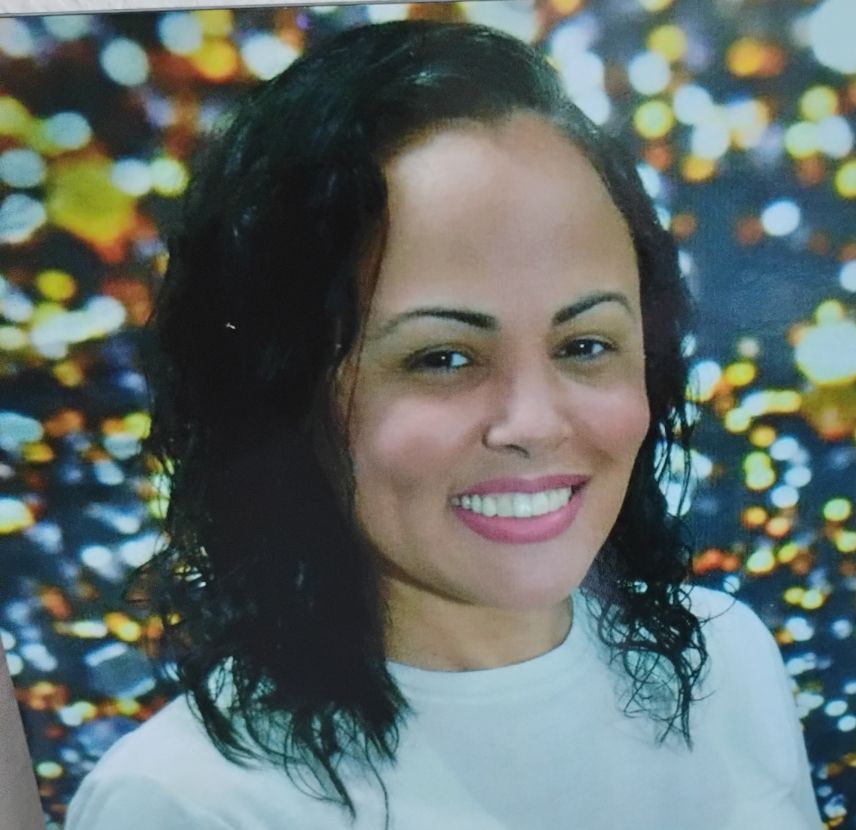
For Kelly Barbieri, incarceration for a cannabis offense in Georgia cost her far more than her freedom. It cost her time she can never get back with her family, time she needed most when tragedy struck at home. Her story is one of grief, community, and an unshakable belief that no one should ever go through what she and her family endured.
A Family Rooted in Tradition
Kelly and her husband, Dan, have been married for more than 30 years and have raised two sons together, the younger of whom is autistic. Kelly describes their household as very traditional: the couple made sure a parent was always home, even when that meant working separate shifts and sacrificing time together. Kelly eventually left her teaching job to homeschool her younger son.
Family life centered on simple pleasures: cooking, watching old movies, spending time outdoors, caring for their dogs, cats, and chickens, and tending a garden of food, flowers, and medicinal plants. Everyone in the family is a devoted Grateful Dead fan, a shared love of music that has long been part of their household.
How It Began
In March 2018, the family's Georgia home was raided after Kelly provided cannabis to a friend whose mother had cancer. Unbeknownst to Kelly, that friend had become a confidential informant to help resolve his own drug charges; he later died of a fentanyl overdose.
The case didn't go to trial until late August 2023, more than five years later. Kelly and Dan were convicted of manufacturing and distributing marijuana and sentenced to 10 years, with three to serve. The judge issued a modification order recommending early parole so the couple could return home to care for their special-needs son, but the parole board set Kelly's tentative parole date for October 2026, just two months before her maximum release date.
A Hard Beginning
Kelly's incarceration started with Diagnostics, an intake process she describes as the hardest part of her time inside. "We ate cold food out of Styrofoam trays, were often in lockdown, and it was just a gross place," she recalls. It was the only period, she says, when she felt genuinely unsafe.
But even that hardship paled in comparison to what came next.
An Unimaginable Loss
While incarcerated, Kelly learned that her eldest son was sick. His health declined rapidly, and he died a week later. She was powerless to help. "If I had been home, I could have made him go to the doctor or hospital," she says. "That feeling of helplessness and being powerless was horrible."
The loss shook her faith. "I think what helped me get through it the most was the other women in there with me who had been through similar experiences and supported me," Kelly says. "I don't know that it was any kind of faith that helped. If anything, I lost some faith in a higher power during that time." What carried her forward was her remaining son, and her determination to stay strong for him.
Kelly recently attended her son's memorial, an experience she calls healing. "Seeing how many people loved him and came to honor him warmed my heart," she says. She still grieves every day, but has found grounding in nature, family, and keeping her son's memory alive. "I know the only way to get through this is to feel it, and remember that grief is the price we pay for love," she reflects. "I believe he would want me to live, and not just exist and survive."
The Power of Community
Even from behind bars, Kelly felt the support of people she'd never met. Letters from strangers reminded her she wasn't alone. "It's so nice to hear your name called at mail call, and then just hearing the validation from others that what I was going through was so ridiculous," she says. She saved every letter. "It still makes me feel good to know that there is a large community of people out there who want to help those in a similar situation to ours, and it definitely gives me hope."
Last Prisoner Project's Role
Kelly remembers the exact day she learned Last Prisoner Project would sponsor her case, a day that had started with the loss of her beloved dog. "I was so depressed, but then my son told me that y'all had accepted us to sponsor, and it really brightened my day," she says. The financial support meant she no longer had to rely on her sons to put money on her books, and a grant to her son eased the family's financial strain. "LPP was truly a blessing," she says. "It's easy to feel lost and alone while incarcerated, and knowing y'all were there helped so much."
Reflecting on LPP's broader work, Kelly is direct: "Some organizations just pay a lot of lip service to cannabis policy change, while LPP is actually doing something to help, and that is huge."
Looking Ahead
Now home and back at work, Kelly is rebuilding the life she and Dan always envisioned, one centered on family, gardening, cooking, and caring for their special-needs son, while carrying the memory of the son they lost every day. But she's also clear-eyed about the work still ahead.
"My husband and I should have never been sentenced like we were in the first place, and then for the parole board to keep us in there for so long, even months after our son died, was just unnecessary," she says. "Nobody should be locked up for a plant, period. No victim, no crime."
Her call to action is simple: full decriminalization of cannabis at the national level, so state reform can follow. "Nobody stopped using cannabis because we were locked up," she says. "So the whole incarceration thing is pointless."
Kelly Barbieri is a Last Prisoner Project constituent. Her story is shared with her permission as part of LPP's ongoing work to end the incarceration of individuals for cannabis-related offenses and support their successful reentry.