Separated by Injustice: Candace Kampa’s Story of Love, Resilience, and Cannabis Incarceration
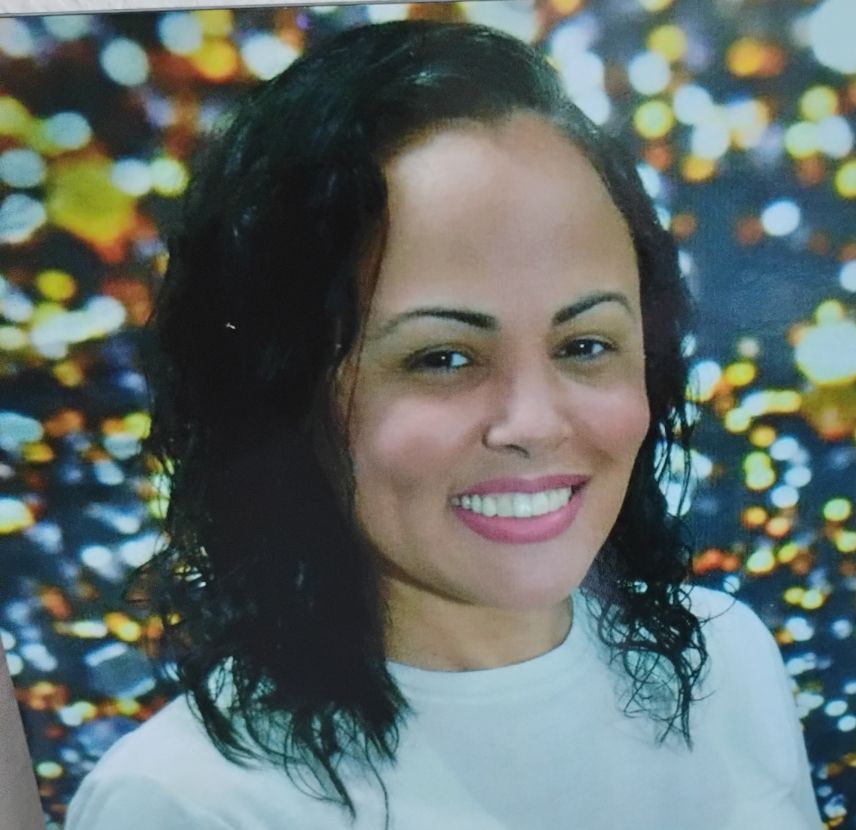
When I sat down to speak with Candace Kampa, I expected a story of heartbreak. What I didn’t expect was the strength, clarity, and fierce love that radiated through every word she spoke.
Candace has been with her fiancé, Douglas, for over 15 years. They met in their early twenties, built a life together, and are raising two children—a 12-year-old son and a 9-year-old daughter. Before Douglas’s incarceration, they were a typical Minnesota family: spending weekends boating, snowboarding, going on cabin trips, and cheering their kids on in sports. Douglas was hands-on with their son’s wrestling and baseball and shared a deep, unbreakable bond with their daughter, who Candace lovingly calls “a mini version of him.”
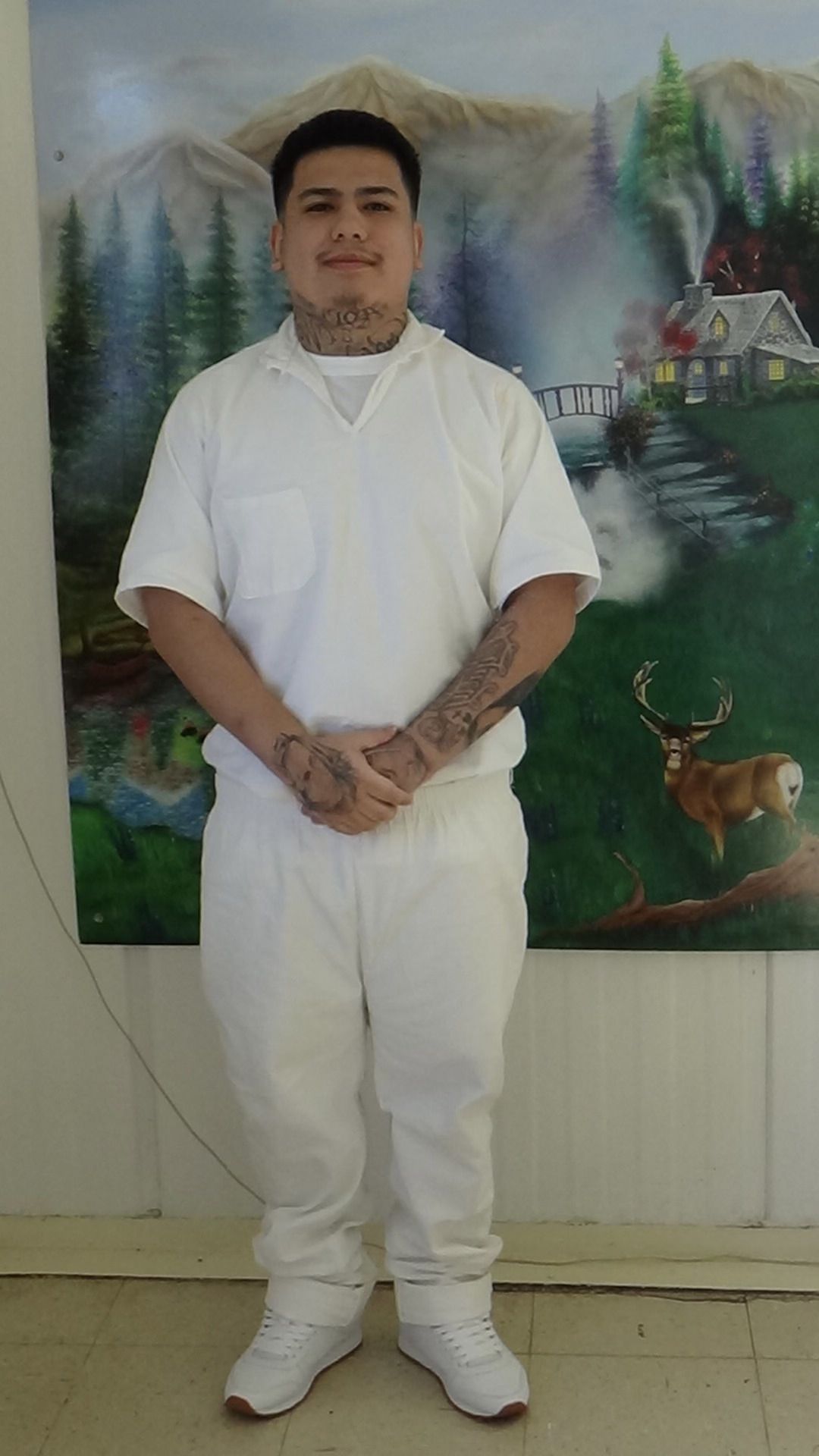
All of that came to a halt when federal agents raided their home and arrested Douglas on cannabis-related charges. He is now serving a 135-month sentence, a sentence that continues to punish not just him, but the entire family.
Candace vividly recalled the trauma of that day: being thrown to the ground, her children were walked down the stairs by armed officers in masks. “It was the worst time of my life,” she told me. The days that followed were filed with uncertainty, grief, and the sudden weight of single parenthood. She described living in “fight mode,” juggling the roles of mother, father, breadwinner, and emotional anchor for two heartbroken children.
Her daughter often asks why her father can’t attend school events or take her to the father-daughter dance. Her son wonders if his dad will ever see him wrestle again. These aren’t abstract policy consequences; this is the real, daily impact of outdated cannabis laws on American families.
Despite the emotional weight, Candace has remained steady. She transitioned from working in real estate to taking a 9-to-5 job so she could be present for her kids during evenings and weekends. She sacrificed income and independence, but never her determination. She advocates for Douglas’s release, manages the fallout of ongoing legal threats to her property, and remains an unrelenting voice for justice.
And still, the losses are felt deeply. Friendships vanished. Community support dried up. “It was like we had the plague,” she said. But through it all, Douglas’s family remained a constant. His sister visits weekly. His mother steps in to help with the kids. That consistency, Candace says, has been a lifeline.
When asked what she would say to those in power, specifically President Trump, who has signaled interest in issuing clemencies, her message was clear: “Let him go. There are so many horrible things people do and never serve time. Why are people still incarcerated for cannabis when it’s now legal in so many places?”
Candace believes in accountability, but she also believes in proportionality and second chances. Douglas is not a danger to society. He’s a father, a fiancé, and someone who wired an entire church for free just to give back. His punishment doesn’t fit the crime.
Today, Candace is studying to become a paralegal. She wants to turn her pain into purpose by learning the law so she can help other families caught in the same cycle of injustice. “Knowledge is power,” she told me. “I don’t want another family to go through this.”
At Last Prisoner Project, we are proud to support Candace and Douglas through our advocacy and grant programs. But what they deserve is what we’re all fighting for: freedom. Until Douglas is reunited with his family, we will continue to amplify their story and push for the long overdue justice.
Full Interview
Last Prisoner Project: Thank you so much for speaking with me. I know it has not been easy going through your fiancé Douglas’ incarceration for cannabis, but I hope talking about it helps. How long has Douglas been locked up?
Candace Kampa: Coming up on 3 years.
Last Prisoner Project: What's Douglas's sentence?
Candace Kampa: 135 months.
Last Prisoner Project: Would you feel comfortable just sharing a little bit about your past with Douglas? You and Douglas have been together for 15 years. What were your lives like before Douglas's incarceration?
Candace Kampa: I met him when I was 21, we started dating, and then we had our son a couple of years later. He's 12 now and then. A couple of years after that, we had our daughter, and we moved. She's nine; her name is Layla. Before Doug went in, he and I both worked, and the kids were starting to get busy in sports. He was super involved in my son's wrestling and baseball. My daughter is a daddy's girl 100%. She is the mini version of him, and every little thing about her reminds me of him. We had a boat and would go boating every weekend. My son's into skiing, and we snowboard. We loved doing things like going fishing, going up to cabins, having bonfires, and just really enjoying our time as a family.
Last Prisoner Project: Have you both always been comfortable with the plant, being involved with the plant? Was it something that's always been a part of your lives, or were it some people? It just kind of comes up on them, and things happen leading up to, you know, his arrest. But were you guys always cannabis people?
Candace Kampa: When I was younger, my body changed after I had my son. When I would consume, I would just get a little paranoid. So I kind of stopped. When I was first introduced to cannabis, it involved my stepmom. She had cancer. She wouldn't eat or anything. And then she started using different things, like oils and edibles. She would go to Colorado and get it, and seeing just how much it helped her, it completely changed my mind. It was 11 years ago.
Last Prisoner Project: So you grew to appreciate the plant as a medicine?
Candace Kampa: Yes, that's before it was almost taboo. When I was younger, it was like, "Oh, my gosh! Don't get caught doing that!" And then it changed. After I witnessed her being able to eat and feeling better, and being able to sleep and not be on so many different medications, and being groggy all the time, and being able to remember the moments that she had left.
Last Prisoner Project: Where do you live with your family?
Candace Kampa: In Minnesota.
Last Prisoner Project: What was that period like when your fiancé was first arrested?
Candace Kampa: It was awful. I don't know what other word to use to describe it. It was just pure shock. I was home with my 2 kids, and my house was raided. I think I was sick to my stomach for 2 months. My kids were so confused, they didn't know what was going on. I didn't either. Doug was arrested, and then he got released on a signature bond about 4 days later. That's when I found out more information. I can say it was literally the worst time of my life.
Last Prisoner Project: What were your first weeks like after Douglas had been incarcerated?
Candace Kampa: Well, this is going to get emotional. I was just super shocked, my kids were absolutely devastated, and I was just lost. I felt like I didn't know what to do; my whole adult life was with Doug. And so for that to happen, I didn't even know how I was going to get out and about every day. I only got up because I have my kids. They are threatening to take my properties, it's just horrible. All that came at one time, and I've just been living in a state of fight mode. The stress and anxiety are just a result of not having him here. I could always count on him for everything; he could fix everything, all the time. So for him not to be here, and me having to do everything, is not something I was prepared for. I'm super involved with the kids, but if something goes wrong with the house, or I'm sad or scared, or I feel like I'm not doing a good enough job with my kids, he could always step in and make me feel better. He was my peace, and then I just felt like I lost that.
Last Prisoner Project: Was Douglas the main breadwinner, or did you guys contribute to the household together?
Candace Kampa: We contributed together, but after I had my son, I wanted to stay home with the kids. So I switched my career. I started doing real estate, and then I got my broker's license. I bought my house, then bought the house next door, and then I was able to buy another property after that, so finances are the only thing I don't worry too much about. It's still a struggle, but I know it could be much worse.
Last Prisoner Project: I asked because much of the time, finances are drastically affected when one of the parents is incarcerated, so you're very blessed to be in that position. So, not having to worry about finances so much, but everything else in your life has been different from that point on?
Candace Kampa: There are times when I just feel angry. I get mad that we're in this position now, and that my kids are growing up without their dad around. Like I said, I did work, but I missed a lot of nights and weekends of doing stuff with my kids, because I was busy doing real estate. The houses are in my name, but now they're gunning for all my properties, and they're trying to take them from me, so there's a little bit of anger there, but that's what I'm financially scared of the most, that they'll take everything that I've worked so hard for.
Last Prisoner Project: Your day-to-day life changed, your day-to-day routine changed. Now you're mom AND dad are in the house.
Candace Kampa: Absolutely, I had to quit doing real estate full time, and I went and got a 9 to 5 job because I can't be gone on nights and weekends showing houses anymore, so I had to change my career, again. I had to take a pay cut just so I could work while my kids are in school. I lost the freedom that I had, which was always my biggest fear.
Last Prisoner Project: So you talked about just taking over that mom and dad role? What kind, if any, support did you have from your friends, your family, your community during that time?
Candace Kampa: The friend thing got hard. I feel like everybody kinda looked at us like we had the plague. Honestly. My mom lives in Florida, but she comes to visit during the summers to watch my kids while I work. My dad has health issues. I have one brother here. But Doug's family is a huge support. All of his family is very supportive. If I need anything, I can call his mom, she can help with the kids, or his sister Eve comes over to my house every Monday. She owns a restaurant, and she still makes time, and she has us up there for special nights, and she comes and plays with my kids. His family is great.
Last Prisoner Project: Was there anybody in your life on either side of that? The support side, or the lack thereof support side, that surprised you?
Candace Kampa: His family has always been super supportive. So I guess that wasn't surprising. But I think my mom. Doug and my mom never really got along. She has to stop her life in Florida and take time off from her work to come up here and watch my kids for 3 months. So that part kind of surprised me, and that's been super helpful.
Last Prisoner Project: Okay. So your mom was on the surprisingly supportive side. Anybody that you thought would be there but, surprisingly enough, ended up going MIA or ghosted you?
Candace Kampa: I think the majority of the friends, this big group of friends, that I thought would be there, that we used to vacation with, and celebrate birthdays with, just collapsed. There are people that I would see weekly at my house, that I haven't even heard from since Doug went to prison. That was a blow because I've been friends with them for so long, and those hurt.
Last Prisoner Project: Yeah, those friends who are there when everything's great and we're on the boat, vacationing and enjoying life together, to have them disappear out of your life when times are hard is difficult to forgive.
Last Prisoner Project: How did your children take it and react, and how are they coping with it now?
Candace Kampa: Honestly, I don't know how they have been so resilient with everything. The first couple of months were really hard at nighttime because they were a lot younger, but now they understand more. But before they'd ask, "Where's Dad? Why did he have to go? Why did they take him? When will he be back? How old am I going to be when he gets back? Am I going to be a grown-up? Is he going to be able to see me play baseball? Is he going to be able to come to my gymnastics meet?" Those are the hardest questions for me to answer. And there was a lot of separation. He was moved around all the time, and in holding, and then he was in West Virginia, so we didn't see him for almost 2 years. When he was in West Virginia, I sent in at least 15 visitation forms, and then he got moved to Chicago. So then I sent in a form there, and I got approved. The kids and I drove to Chicago, and that's the first time we saw him in a couple of years, and it was so emotional. But there'll be like a father-daughter dance at school, and Layla will get really bummed out. It hurts, but I just tell her, "It's okay, Uncle Kurt will take you." Sometimes it seems like they're fine, and then all of a sudden, they're
so sad. They get to talk to him all the time now, and we've been able to visit him a lot because he's in Minnesota now, so that's been helpful. I know it broke their hearts, and it still does. My son wrestles, and he's like, "Man, I wish Dad saw that match!" Just little things like that, I know he misses. He's getting older, his body is changing, he's starting middle school, and right now is the most important time for him to have a Dad at home.
Last Prisoner Project: With the kids being so young, were you able to be open and honest about what happened?
Candace Kampa: Yes. Like I said, our home was raided, and they surrounded my house with guns and shields. I was with these 2 little kids, and then they took me and threw me outside and put me on the ground, and they're getting walked down the stairs by guys in masks, holding shields and guns, so I can't lie. They're little, but they're smart. My mom tells me I am too honest with my kids and share too much with them, but I don't want one day for them to be like, "Why did you lie to me?" And we go to a prison to visit, where they can read. They know that he's there for weed, and I'd say, "If anybody asks you, you can make something up, you can tell them the truth, but, my son says "My dad's in prison, and he's there for weed, and it's legal here now!", he gets it.
Last Prisoner Project: It says volumes that even a 12-year-old knows that no one should be in prison for what's now legal in the majority of our states, but those in power don't seem to understand that very simple premise.
Last Prisoner Project: How have you been managing through this? Because you now have a lot on your shoulders. Doug could get out next week, or he could do it this time.
Candace Kampa: I don't know. I feel like I'm gonna cry now.
Last Prisoner Project: Trust me, I cry at least 3 times a day, so don't be afraid to express yourself.
Candace Kampa: I feel like I am doing my absolute best. Sometimes I'm literally just trying to get through each day. I try to just advocate for him, help bring him home, and for my kids to have their Dad back. I want to have my partner back and do all the things in life that we planned to do. I just wish this had never happened. It's a struggle. There are days when I think I'm not doing a good enough job with the kids, when I doubt myself. But other days I feel like "Okay Candace, you're holding it together. We have everything we need, I'm working, the kids are doing great in school and in sports. I think sometimes people are just too hard on themselves...then some days I'm like "Dang. I'm doing a good job!".
Last Prisoner Project: You're doing a great job! What do you do for self-care, as someone who is now holding the whole family on your shoulders, because you don't only have to take care of your household, you also take care of Doug while he's in there. We all know incarceration is not cheap, which is why we do the commissary grants. Every little bit helps. LPP doesn't want to fund prison sentences; we want to end them.
Candace Kampa: Honestly, I know it sounds kind of bad, but the more time that passes, the better I handle it. Now it's sad, but it's just my new normal. Time has put things into perspective. When I get home from work, I want to go watch my kid on the baseball field rip it into the outfield, or watch my daughter at gymnastics, that's what brings me joy. I don't have a ton of things that I do outside of them, because they're so busy. I just have my dogs and my kids, and that's what gets me through. I take the kids on dates, each of them twice a month, and try to get good alone time with each of them. I feel like when I see them happy, I can relax, and that's my self-care.
Last Prisoner Project: The laws that ended inDoug being incarcerated. And how do you see these laws and policies, and the part they play in affecting families?
Candace Kampa: I think they're very outdated. Mandatory minimums are archaic, but that's why Doug was sentenced to 112 months. These criminalization laws were put in place during the Nixon era, and it's time for a change. It's time for those in power to see that. There's no violence. There are no victims. He didn't hurt anyone. Stores are popping up on every corner in so many States that are doing the same thing that he was doing, selling cannabis. I feel like it's all a game of money, who should make it and who shouldn't. For those who are in the culture strictly for money, that's all they care about.
Last Prisoner Project: I was just reading that sales of cannabis in the United States are projected to reach $45.35 BILLION in 2025! The total economic impact of regulated sales is estimated to reach $123.6 BILLION in 2025! Those are staggering numbers when people are in prison serving heinous sentences for so much less. If you could talk to President Trump about what these policies are doing to American families, how would you make that plea? Does.
Candace Kampa: I'd let him know it's time for a change. I don't think anyone should be in prison for something that is now legal in so many states. There are laws for a reason, but there needs to be levels to sentencing. For a cannabis charge, let's do some home confinement or something different to keep the families together. My kids are experiencing this in real time. They're growing up without a dad. They could walk down the street shortly, walk into a dispensary, and buy the same plant that their father is locked up for. I would just say, let him go. There are so many other awful, horrible, heinous things that people are doing but aren't going to jail, why cannabis prisoners?
Last Prisoner Project: You spoke about feeling like an outsider when Douglas was arrested. Do you see a shift in attitude towards cannabis amongst your average American communities?
Candace Kampa: Yes, but I don't know if it was a shift because it's been like this for generations, it's just being so normalized and legalized, that people are less afraid of consequences. I went to a friend's party and it was like going to Woodstock. I was like, "Wow! Everybody smokes here". It was fine, and everybody was fine with it. It wasn't a taboo situation. I was sitting there thinking about Doug being in prison for this very plant. I would just say, let him go. There are so many other awful, horrible, heinous things that people are doing that are not going to jail.
Last Prisoner Project: Would you be open to sitting down with those who have the power to change so many families' lives and sharing your story?
Candace Kampa: I will tell my story to anybody who will listen! I've tried. I have reached out to so many different platforms and people on social media, on websites. I remember sitting there and tweeting every single person that was ever famous that I've seen who has had anything to do with marijuana. I was sending hundreds of messages. I've reached out to so many different people trying to advocate for Doug, trying to get him out, trying to get him relief, resentencing, home confinement...anything that would get him home, but I just fell on deaf ears. Last Prisoner Project was the first people who ever responded to me. LPP surprised me because I didn't even know about it until I just did a deep dive on Google.
Last Prisoner Project: You have to make noise. That's exactly how Alice Johnson, who's now the Pardon Czar for this administration, was released, her daughter reaching out and catching the ear of Kim Kardashian. So you just never know where it'll come from. That's why I always encourage people to share their story, to make it be heard, to let people see what's going on.
Last Prisoner Project: You said you did a deep dive looking for help for Douglas. How did you connect with Last Prisoner Project?
Candace Kampa: I was on Instagram, and I was just looking stuff up. I found Last Prisoner Project pop up and I went to the website. I reached out, and they reached back out to me so fast. Immediately, I wondered, "Is this real? Nobody ever responds." Then they just started messaging me, and I explained what happened, and we got Doug signed up in their programs right away. You all have been so helpful in all avenues.
Last Prisoner Project: What makes LPP special is having that legal aspect to our organization, along with the policy work. The legal assistance, helping file clemency and compassionate relief paperwork, is key because it is not easy to do from behind bars, especially, and if you do not know about filing paperwork, it's even more difficult, so we're really happy that we have that aspect of it. We thought, Well, while we're doing those things, and while we are advocating and lobbying, what else can we do? And that's where the family grants and the commissary grants came in.
Candace Kampa: I did receive a family grant, and it helped me pay for their school. I was like, "Wow! That was like perfect timing."
Last Prisoner Project: Our mission is to get people home and reunited with their families, but the grants are a helpful extra.
Candace Kampa: I really appreciate everything that you guys offer.
Last Prisoner Project: Not knowing for sure how long Douglas will be away, what are your plans for the immediate future?
Candace Kampa: I plan to continue advocating. I started taking college classes. I'm getting my paralegal degree soon, and then I want to continue on. The way the system is set up, it's set up for people to fail, and I don't want another family to have to go through this. I want to get as much knowledge as possible and soak it all up so I can use that to help another family that's going through this. Knowledge is power.
Last Prisoner Project: Before I let you go, is there anything that you would like people to know about Douglas?
Candace Kampa: There are just so many things. I feel like Doug didn't have a chance because of the way he grew up. He grew up in poverty, without a dad. He made himself into a man and taught himself everything, and can fix anything, build anything. For him to be sitting there is a waste. He could be out here helping in the community. He'd give the shirt off his back. He wired up an entire church for free just to help them, because they were low on money. That's just the kind of person he is, and a cannabis conviction doesn't change that. Word has it that President Trump's supposed to do 10,000 clemencies soon. Inmates are hearing all this, and you want to stay so hopeful, but it hurts so bad every time you get crushed by another letdown. I'll never stop being hopeful, I'll keep getting crushed, but one of these times, maybe I won't, maybe one of these times, someone will do what's right. The hardest parts are the false promises and the constant disappointment. Let's be the change and make the change and make it happen!
Help Us Bring Families Back Together
Douglas is one of thousands still behind bars for cannabis, a plant now legal in much of the country. Families like Candace’s pay the ultimate price every day.
Join us in the fight to free them.
✅ Donate to support our legal and family relief programs
✅ Share this story and raise awareness
✅ Contact your lawmakers and demand clemency
Let’s make sure families like Candace’s are no longer punished for policies that have already changed. It’s not just about cannabis—it’s about justice.